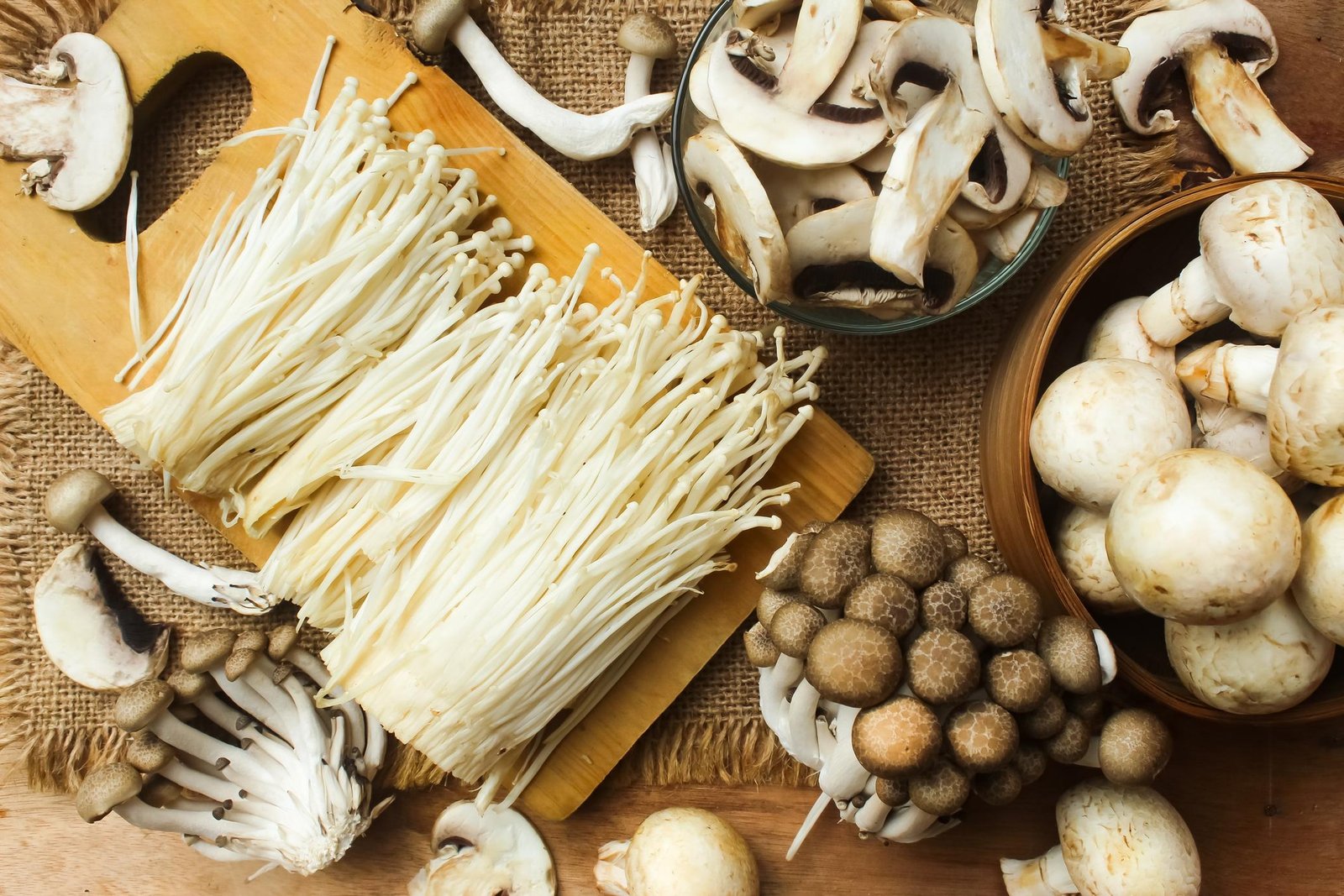
How to Clean and Prepare Fresh Mushrooms
Fresh mushrooms are delicious, versatile ingredients that can transform ordinary meals into flavourful dishes. Whether you are preparing button mushrooms, oyster mushrooms, shiitake, cremini, porcini or maitake, proper cleaning and preparation are important steps before cooking.
Unlike many vegetables, mushrooms have delicate surfaces and naturally contain a significant amount of moisture. Cleaning them incorrectly can affect their texture, while poor preparation may leave unwanted dirt or debris behind.
Fortunately, cleaning fresh mushrooms does not have to be complicated. With a few simple techniques and the right kitchen tools, you can prepare different mushroom varieties safely and efficiently.
In this guide, we explain how to clean fresh mushrooms, whether you should wash or peel them, how to prepare different varieties, how to slice and store them, and which mistakes to avoid.
1. Why Is It Important to Clean Fresh Mushrooms?
Fresh mushrooms may have small amounts of soil, growing material or other debris on their surfaces when harvested.
Cleaning helps remove these unwanted materials before the mushrooms are prepared for cooking.
Proper preparation also allows you to:
Remove visible dirt and debris.
Inspect mushrooms for signs of deterioration.
Remove damaged or unwanted sections.
Prepare mushrooms evenly for cooking.
Improve the appearance of finished dishes.
Handle different mushroom varieties appropriately.
Cleaning should be done carefully because mushrooms have different shapes, textures and structures.
For example, smooth button mushrooms are relatively easy to wipe clean, while oyster mushrooms have delicate layered caps that require gentler handling.
2. Should You Wash Fresh Mushrooms or Just Wipe Them?
One of the most common questions about mushroom preparation is whether fresh mushrooms should be washed with water.
The answer depends on how dirty they are and which variety you are preparing.
Both wiping and briefly rinsing can be appropriate.
Wiping Mushrooms with a Damp Cloth
Wiping is a convenient option for mushrooms with relatively clean surfaces.
Use a clean, slightly damp kitchen cloth or paper towel to remove visible dirt.
This method is particularly useful for:
Button mushrooms
Cremini mushrooms
Portobello mushrooms
Shiitake mushroom caps
Avoid rubbing too aggressively, as this can damage delicate surfaces.
Rinsing Mushrooms Under Running Water
If mushrooms have visible soil or debris that cannot easily be removed by wiping, a brief rinse under clean running water may be appropriate.
After rinsing:
Drain the mushrooms.
Gently shake off excess water.
Pat them dry with a clean kitchen towel.
Prepare them shortly before cooking.
Avoid leaving mushrooms submerged in water for extended periods.
Which Cleaning Method Is Best?
| Mushroom Condition | Recommended Method |
|---|---|
| Light surface dust | Damp cloth |
| Small amounts of soil | Soft brush |
| Visible dirt | Brief running-water rinse |
| Delicate clusters | Gentle brushing or careful rinsing |
| Large mushroom caps | Damp cloth or brief rinse |
The objective is to remove unwanted debris without unnecessarily damaging the mushrooms.
3. Tools You Need to Clean Fresh Mushrooms
You do not need expensive equipment to prepare fresh mushrooms.
A few basic kitchen items are usually sufficient.
Soft Mushroom Brush
A soft food-safe brush can help remove soil from textured surfaces and small crevices.
It is particularly useful for mushrooms with irregular shapes.
Clean Kitchen Cloth
A clean, slightly damp cloth is useful for wiping smooth mushroom caps.
Paper Towels
Paper towels can help remove excess moisture after rinsing.
Sharp Kitchen Knife
A clean, sharp knife makes it easier to remove damaged sections, trim stems and slice mushrooms evenly.
Chopping Board
Use a clean chopping board to prepare mushrooms and prevent unnecessary contact with unclean kitchen surfaces.
Colander
A colander can help drain mushrooms after a brief rinse.
Always clean kitchen equipment before and after preparing fresh produce.
4. Step-by-Step Guide to Cleaning Fresh Mushrooms
Follow these general steps when preparing fresh edible mushrooms.
Step 1: Inspect the Mushrooms
Before cleaning, examine the mushrooms carefully.
Look for:
Visible soil
Damaged caps
Bruised areas
Excessive moisture
Slimy surfaces
Unpleasant smells
Visible mould or deterioration
Discard mushrooms that show clear signs of spoilage.
Do not attempt to make spoiled mushrooms safe by washing or cooking them.
Step 2: Remove Loose Dirt
Use a soft brush, clean cloth or paper towel to remove loose dirt.
Work gently around the caps and stems.
For mushrooms with visible soil that cannot be removed this way, use a brief rinse under clean running water.
Step 3: Trim Unwanted Sections
Examine the stems and caps.
Remove dry, damaged or undesirable sections using a clean knife.
Not every mushroom stem needs to be removed. Many varieties have edible stems that can be cooked along with the caps.
Step 4: Dry the Mushrooms
If you rinsed the mushrooms, remove excess moisture using clean paper towels or a kitchen cloth.
Allow them to drain briefly if necessary.
Drying is especially useful before sautéing, roasting or frying because excessive surface moisture can interfere with browning.
Step 5: Prepare According to Your Recipe
Depending on the dish, you can:
Slice the mushrooms.
Cut them into quarters.
Separate individual clusters.
Leave smaller mushrooms whole.
Remove tough stems.
Tear delicate mushrooms into suitable pieces.
Once prepared, cook them according to your recipe.
5. How to Clean Different Types of Fresh Mushrooms
Different mushroom varieties require slightly different preparation techniques.
Here are practical tips for some popular edible mushrooms.
How to Clean Fresh Button Mushrooms
<escape> </escape>
Button mushrooms have smooth, rounded caps and relatively short stems.
Cleaning method:
Inspect each mushroom.
Wipe the cap with a damp cloth.
Remove visible dirt around the stem.
Trim the dry end of the stem if necessary.
Rinse briefly if significant dirt remains.
Dry before slicing or cooking.
Button mushroom stems are generally suitable for cooking when they are fresh and in good condition.
How to Clean Fresh Cremini Mushrooms
Cremini mushrooms are similar to button mushrooms but generally have darker caps.
Cleaning method:
Brush or wipe the caps gently.
Clean around the stems.
Remove damaged sections.
Trim the stem ends if needed.
Dry before cooking.
They can be sliced, quartered or cooked whole depending on their size.
How to Clean Fresh Portobello Mushrooms
Portobello mushrooms have large caps and substantial stems.
Cleaning method:
Wipe the cap using a clean damp cloth.
Remove any visible dirt around the edges.
Trim the stem if it is tough or damaged.
Check the underside of the cap.
Remove the gills only if your recipe requires it.
The dark gills underneath portobello caps are generally edible. They may darken sauces and other dishes, which is why some cooks choose to remove them.
How to Clean Fresh Oyster Mushrooms
Oyster mushrooms grow in clusters and have delicate, overlapping caps.
Cleaning method:
Inspect the cluster for visible debris.
Gently brush the caps.
Separate individual mushrooms where necessary.
Remove any tough or damaged base sections.
Briefly rinse if needed.
Drain and dry carefully.
Avoid crushing or squeezing oyster mushrooms because their delicate structure can break easily.
How to Clean Fresh Shiitake Mushrooms
Shiitake mushrooms have broad caps and stems that can be tougher than the caps.
Cleaning method:
Wipe the caps with a damp cloth.
Check for visible dirt underneath the caps.
Remove any damaged sections.
Trim or remove tough stems if desired.
Slice the caps according to your recipe.
Shiitake stems can be reserved for suitable stocks or broths if they are clean and in good condition.
How to Clean Fresh Enoki Mushrooms
Enoki mushrooms have long, thin stems and small caps.
Cleaning method:
Remove the packaging.
Inspect the cluster.
Trim the compact base if necessary.
Separate the strands gently.
Briefly rinse if needed.
Drain thoroughly.
Because enoki mushrooms are delicate, avoid rough handling.
How to Clean Fresh Chanterelle Mushrooms
Chanterelles have irregular, folded surfaces where soil and debris may collect.
Cleaning method:
Inspect the folds and undersides.
Use a soft brush to remove loose dirt.
Wipe stubborn areas with a damp cloth.
Briefly rinse if necessary.
Dry carefully before cooking.
Avoid aggressive brushing that could damage their delicate structure.
How to Clean Fresh Porcini Mushrooms
Porcini mushrooms can have soil around their stems and underneath their caps.
Cleaning method:
Inspect the caps and stems.
Brush away loose soil.
Wipe the surface with a damp cloth.
Trim dirty or damaged stem sections.
Slice the mushrooms to check their internal condition.
Discard any portions that are spoiled or deteriorated.
How to Clean Fresh Maitake Mushrooms
Maitake mushrooms grow in overlapping clusters.
Cleaning method:
Inspect the spaces between the fronds.
Remove visible dirt using a soft brush.
Separate the clusters carefully.
Trim the base if necessary.
Briefly rinse only when needed.
Drain and dry before cooking.
How to Clean Fresh Chestnut Mushrooms
Chestnut mushrooms can be cleaned in much the same way as button mushrooms.
Wipe their caps, remove loose dirt and trim any dry stem ends. Briefly rinse if necessary and dry before cooking.
6. Should You Peel Fresh Mushrooms?
Most commercially cultivated fresh edible mushrooms do not need to be peeled before cooking.
Their outer surfaces are generally suitable for eating when the mushrooms are fresh, properly cleaned and correctly prepared.
Peeling is sometimes done for appearance or personal preference, particularly with larger portobello mushrooms, but it is not normally necessary.
Instead of peeling, focus on:
Removing visible dirt.
Trimming damaged sections.
Removing tough stems when appropriate.
Cleaning the underside of the caps.
Preparing the mushrooms according to the recipe.
Avoid removing edible portions unnecessarily.
7. How to Slice and Cut Fresh Mushrooms
The way mushrooms are cut can influence their texture, cooking time and presentation.
Slicing
Slicing is useful for pasta, sandwiches, stir-fries and sauces.
Use a clean knife to cut mushrooms into evenly sized slices.
Quartering
Larger mushrooms can be cut into quarters.
This is useful for roasting, casseroles and hearty vegetable dishes.
Dicing
Diced mushrooms are suitable for fillings, sauces, omelettes and recipes where smaller pieces are preferred.
Leaving Mushrooms Whole
Small mushrooms can often be cooked whole.
This works well for sautéed button mushrooms and certain side dishes.
Tearing Oyster Mushrooms
Oyster mushrooms can be separated and torn into smaller pieces by hand.
This creates irregular shapes that work well in stir-fries and roasted dishes.
8. How to Prepare Fresh Mushrooms for Different Cooking Methods
Once mushrooms are cleaned and cut, the next step is choosing the right preparation method.
Preparing Mushrooms for Sautéing
For sautéing:
Clean the mushrooms.
Dry their surfaces.
Slice or quarter them.
Heat a pan with oil or butter.
Cook until tender and browned.
Avoid overcrowding the pan.
Preparing Mushrooms for Roasting
For roasting:
Clean the mushrooms.
Cut them into similar-sized pieces.
Remove excess surface moisture.
Add a little cooking oil and seasoning.
Arrange them on a baking tray.
Roast until tender and browned.
Preparing Mushrooms for Soup
For soup:
Clean the mushrooms.
Trim unwanted sections.
Slice or chop them.
Sauté with onions and garlic if desired.
Add broth and other ingredients.
Cook until the mushrooms are thoroughly heated and tender.
Preparing Mushrooms for Stir-Frying
For stir-fries:
Clean and dry the mushrooms.
Slice larger varieties.
Separate clustered varieties.
Prepare the other vegetables.
Cook the ingredients in a suitably heated pan.
Add mushrooms according to their size and cooking requirements.
9. How to Store Mushrooms After Cleaning
Whenever possible, clean fresh mushrooms shortly before cooking.
Washing mushrooms long before they are needed can leave excess moisture on their surfaces and shorten their usable storage period.
If you have already cleaned them, dry them thoroughly and refrigerate them promptly in suitable food-safe packaging.
Additional storage tips include:
Keep mushrooms refrigerated.
Avoid leaving them at room temperature for extended periods.
Do not store damp mushrooms in sealed containers without suitable ventilation.
Keep them away from foods that could contaminate them.
Follow the supplier’s storage and use-by instructions.
For longer storage, some mushroom varieties can be cooked and frozen in suitable freezer-safe packaging.
10. Common Mistakes to Avoid When Cleaning Mushrooms
Even simple preparation can affect mushroom quality.
Avoid these common mistakes.
Soaking Mushrooms for Too Long
Mushrooms do not generally need to be submerged in water.
A brief rinse is sufficient when wiping or brushing cannot remove visible dirt.
Using Excessive Force
Rough scrubbing can damage delicate caps and stems.
Use gentle movements when cleaning.
Leaving Mushrooms Wet Before Cooking
Excess surface water can make it more difficult to brown mushrooms.
Drain and dry them appropriately before sautéing or roasting.
Removing Every Stem
Not all mushroom stems are tough or unsuitable for cooking.
Only remove stems when they are damaged, woody or unwanted for the recipe.
Ignoring Signs of Spoilage
Do not use mushrooms that are clearly deteriorating.
Washing does not remove all food-safety risks associated with spoiled produce.
Eating Unidentified Wild Mushrooms
Never consume mushrooms collected from the wild unless their identity and edibility have been reliably confirmed by a qualified expert.
Cleaning, peeling and cooking do not make poisonous mushrooms safe.
11. Simple Recipes Using Properly Prepared Fresh Mushrooms
After cleaning and preparing your mushrooms, you can use them in a variety of dishes.
Garlic Mushroom Stir-Fry
Ingredients:
250g fresh oyster or button mushrooms
2 garlic cloves
1 small onion
1 tablespoon cooking oil
Salt and black pepper
Fresh parsley, optional
Preparation:
Clean and slice the mushrooms.
Heat oil in a frying pan.
Add the onion and garlic.
Add the mushrooms.
Cook until tender and lightly browned.
Season and serve.
Creamy Mushroom Soup
Ingredients:
250g fresh mushrooms
1 onion
2 garlic cloves
500–750ml vegetable stock
150ml cooking cream
Salt and pepper
Preparation:
Clean and chop the mushrooms.
Sauté the onion and garlic.
Add the mushrooms and cook briefly.
Pour in the vegetable stock.
Simmer until tender.
Add the cream.
Blend if desired and serve warm.
Mushroom and Vegetable Rice
Ingredients:
200g fresh mushrooms
2 cups cooked rice
1 carrot
1 bell pepper
1 small onion
Cooking oil
Seasoning to taste
Preparation:
Clean and slice the mushrooms.
Prepare the vegetables.
Heat oil in a pan.
Cook the onion and vegetables.
Add the mushrooms.
Cook until tender.
Add the cooked rice.
Mix thoroughly and heat until hot throughout.
12. Frequently Asked Questions About Cleaning Fresh Mushrooms
Is it better to wash mushrooms before or after cutting them?
It is generally easier to clean whole mushrooms before cutting them. This helps prevent small pieces from retaining unnecessary moisture.
Can I clean mushrooms with vinegar?
Plain clean water, a soft brush or a damp cloth is generally sufficient. Vinegar is not necessary for routine mushroom cleaning.
Should I remove the black gills from portobello mushrooms?
No. The gills are generally edible. Some cooks remove them because they can darken sauces or affect the appearance of certain dishes.
Can I use dish soap to clean mushrooms?
No. Do not use dish soap, household detergents or cleaning chemicals on mushrooms intended for eating. Use clean water and appropriate food-safe kitchen tools.
Do oyster mushrooms need to be washed?
Oyster mushrooms should be inspected and cleaned to remove visible debris. A soft brush or brief rinse may be used when necessary.
Can I prepare mushrooms the night before cooking?
You can prepare them ahead of time, but they should be dried appropriately, refrigerated promptly and stored in suitable food-safe packaging. For the best quality, cleaning shortly before cooking is often preferable.
Should I remove the stems from shiitake mushrooms?
Shiitake stems can be tougher than the caps. They are often trimmed or removed for certain recipes, although clean stems may be used in suitable stocks.
Can I eat mushrooms without cooking them?
Some commercially cultivated edible varieties are commonly eaten raw, but this is not appropriate for every species or individual. Follow reliable food-safety guidance. Cooking is generally a good choice for many mushroom dishes.
How do I clean mushrooms with lots of soil?
Use a soft brush or briefly rinse them under clean running water. Drain and dry them before preparation. Discard any mushrooms that show signs of spoilage.
13. Explore Fresh Edible Mushrooms at MushroomsRevival
Good mushroom dishes begin with good ingredients and careful preparation.
Whether you enjoy button mushrooms, oyster mushrooms, shiitake, porcini, maitake or other edible varieties, understanding how to clean and prepare them helps you get the best results in the kitchen.
At MushroomsRevival, explore our Fresh Edible Mushrooms collection and discover different varieties for soups, pasta, stir-fries, rice dishes and other recipes.
Choose suitable mushrooms, follow proper storage guidance and enjoy preparing delicious meals with fresh edible fungi.
Explore the Fresh Edible Mushrooms collection at MushroomsRevival today.
Final Thoughts
Cleaning fresh mushrooms is a simple but important part of food preparation. By inspecting them, removing visible dirt, trimming unwanted sections and drying them appropriately, you can prepare different varieties for a wide range of recipes.
Remember that not every mushroom needs to be peeled or soaked. A gentle cleaning method suited to the variety is usually sufficient.
With the right preparation, fresh mushrooms can become a delicious addition to everyday cooking.