B+ Psilocybe Cubensis: Origins, Characteristics and Scientific Background
Introduction
B+ is a familiar informal variety name associated with Psilocybe cubensis, a mushroom species known for containing the naturally occurring psychedelic compounds psilocybin and psilocin. It is frequently mentioned in discussions about mushroom diversity, fungal taxonomy and psychedelic research.
Like other popular P. cubensis names, B+ is a common variety label rather than a separate formally recognised mushroom species. Its identity and characteristics are often described through cultivation-community accounts, photographs and informal observations. These descriptions should be distinguished from scientifically verified findings.
This article explores B+ from an educational and mycological perspective, including its classification, reported appearance, chemical background, scientific research, health considerations and legal context.
What Is B+ Psilocybe Cubensis?
B+ is an informal name commonly associated with a variety of Psilocybe cubensis. The species belongs to the fungal kingdom and is recognised for producing psilocybin, a compound that the human body converts into psilocin.
The B+ name is widely used in online mushroom discussions. However, common names do not always have consistent scientific definitions. Without independently verified genetic or laboratory information, a label alone cannot confirm the identity or chemical composition of a mushroom specimen.
It is therefore useful to understand B+ as a popular variety designation within discussions of P. cubensis, rather than a separate species.
Scientific Classification
The scientific classification associated with B+ follows that of Psilocybe cubensis.
- Kingdom: Fungi
- Phylum: Basidiomycota
- Class: Agaricomycetes
- Order: Agaricales
- Family: Hymenogastraceae
- Genus: Psilocybe
- Species: Psilocybe cubensis
- Informal variety name: B+
Scientific classification identifies the organism at recognised taxonomic levels. Informal variety names may be useful in popular discussions, but they should not be treated as equivalent to formally established taxonomic names.
Reported Physical Characteristics
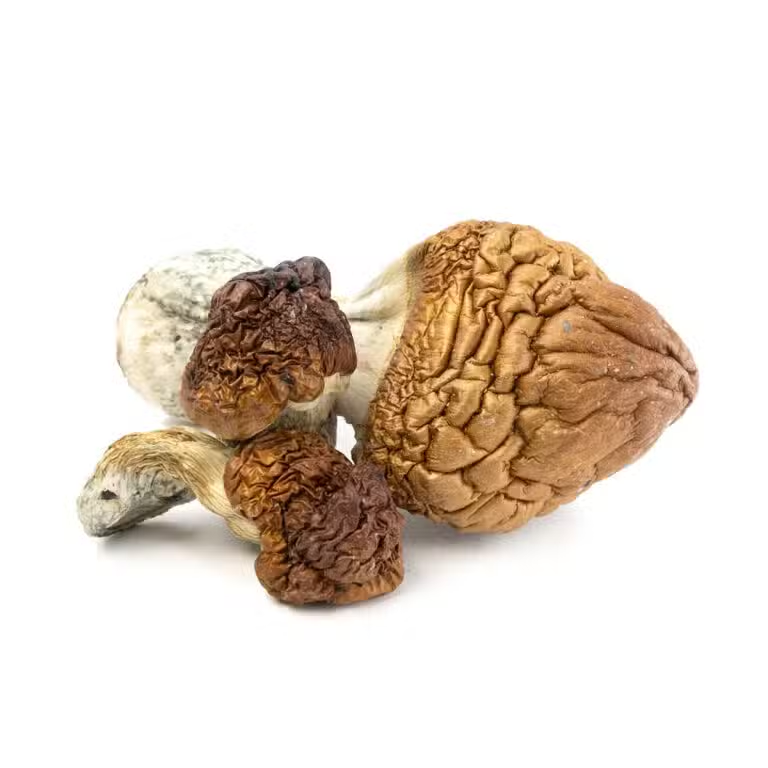
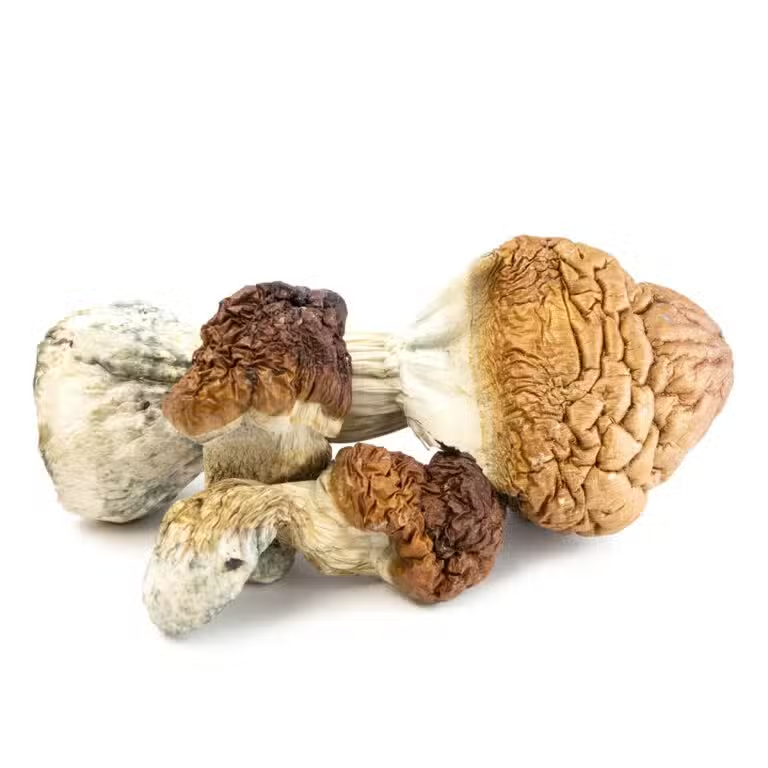
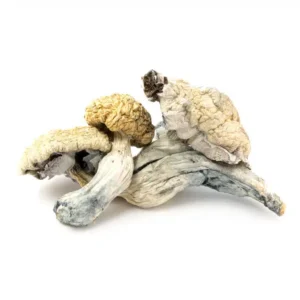
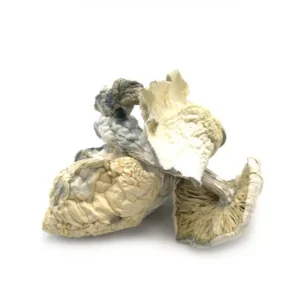
B+ is commonly described in mushroom communities as having a relatively broad, rounded cap and a substantial stem. However, its reported appearance can vary.
Cap Appearance
Descriptions often mention caps ranging from caramel or golden-brown shades to lighter tan colours. Shape and colour can change as a mushroom matures.
Environmental conditions and individual variation also influence visible features. Consequently, cap colour alone cannot confirm that a mushroom is B+.
Stem Appearance
The stem is commonly described as pale or cream-coloured. Its shape and thickness may differ between specimens.
General Morphology
B+ is frequently discussed alongside other Psilocybe cubensis variety names because of its reported physical appearance.
However, many mushroom species share similar visible characteristics. Photographs and common names cannot reliably establish species identity or determine whether a specimen is safe.
B+ Compared With Other Psilocybe Cubensis Varieties
B+ is often mentioned alongside other informal names, including:
- Golden Teacher
- Penis Envy
- Cambodian
- Mazatapec
- McKennaii
These names are widely used in popular discussions, but they do not automatically represent separate scientific species.
Descriptions of differences in cap shape, stem appearance and colour are common. Nevertheless, visible differences do not establish consistent genetic or chemical differences.
Reliable comparisons require appropriately documented specimens and scientific analysis.
Understanding Psilocybin and Psilocin
The species Psilocybe cubensis is associated with two important compounds: psilocybin and psilocin.
Psilocybin
Psilocybin is a naturally occurring psychedelic compound found in certain fungi. It is a prodrug, meaning that the body converts it into another compound that produces much of its characteristic psychedelic activity.
Researchers study its interaction with serotonin-related pathways in the brain.
Psilocin
Psilocin is the active compound produced when the body metabolises psilocybin. It interacts with serotonin receptors, particularly the 5-HT2A receptor.
These interactions are associated with changes in perception, cognition and sensory processing.
Chemical Variation
The chemical composition of mushrooms can vary between specimens. A common variety name such as B+ does not establish a particular concentration of psilocybin or psilocin.
Laboratory analysis is needed to measure these compounds reliably. Reputation, appearance and online descriptions are not substitutes for chemical testing.
Scientific Research Into Psilocybin
Psilocybin has attracted growing scientific interest because of its effects on perception, cognition and brain activity.
Researchers have investigated its potential role in carefully controlled clinical studies involving certain mental health conditions.
Research areas include:
- Depression
- Anxiety associated with serious illness
- Substance-use disorders
- Psychological well-being
- Brain connectivity and perception
These investigations are conducted under specific research conditions, often involving participant screening, professional supervision and psychological support.
Research into psilocybin does not establish that every mushroom specimen has identical effects. Nor does it demonstrate that a particular informal variety name guarantees a specific psychological or therapeutic outcome.
Health Risks and Safety Considerations
Psilocybin-containing mushrooms can cause substantial changes in perception and psychological functioning. Individual responses may be unpredictable.
Potential psychological effects include:
- Altered sensory perception
- Changes in the perception of time
- Confusion or disorientation
- Anxiety and panic
- Distressing psychological experiences
- Impaired judgement
Physical effects may include nausea, dizziness and changes in heart rate or blood pressure.
Some individuals may experience more serious psychological reactions. People with certain psychiatric vulnerabilities may face additional risks.
Mushroom Identification Risks
Mushroom identification is a serious concern because poisonous fungi can resemble other species.
A photograph, informal name or online description cannot reliably establish a mushroom’s identity or safety. Suspected mushroom poisoning should receive urgent medical attention.
Medication and Health Considerations
Potential interactions between psychedelic substances and medications require careful consideration. Individual medical circumstances can affect risk.
People with health concerns should consult qualified healthcare professionals rather than relying on online information or anecdotal reports.
Legal Considerations
The legal status of psilocybin and psilocin differs across countries and jurisdictions.
Depending on local legislation, restrictions may apply to possession, production, distribution, sale and use. Some jurisdictions have limited research exemptions or specific regulated frameworks.
A policy change in one country does not automatically apply elsewhere. Readers should consult current official government guidance and legislation relevant to their location.
Why Informal Mushroom Names Matter
Common names are widely used in discussions about fungi, but they can create confusion.
A single common name may be used inconsistently, and different specimens carrying the same label may not have been independently verified.
For accurate scientific communication, researchers rely on documented specimens, recognised taxonomic descriptions and laboratory analysis.
B+ is a useful example of why popular mushroom terminology should be distinguished from formal scientific classification.
Frequently Asked Questions
Is B+ a separate mushroom species?
No. B+ is commonly used as an informal variety name associated with Psilocybe cubensis. It is not generally treated as a separate formally recognised species.
What is the scientific name of B+?
The species name associated with the informal B+ designation is Psilocybe cubensis.
Why is B+ widely discussed?
It is a familiar name in popular discussions about P. cubensis varieties and mushroom diversity.
Does B+ have a unique chemical composition?
The name alone cannot establish a unique chemical profile. Reliable measurements require laboratory analysis.
Is B+ the same species as Penis Envy?
Both names are commonly associated with Psilocybe cubensis. They are informal variety designations, not separate species names.
Can B+ be identified by appearance?
Appearance alone cannot reliably confirm the identity of a mushroom. Professional examination and appropriate laboratory methods may be necessary.
Does scientific research prove that B+ treats depression?
No. Research involving psilocybin in controlled settings does not establish that B+ is an approved treatment or that a particular informal variety has proven therapeutic benefits.
Is psilocybin legal worldwide?
No. Laws differ between jurisdictions. Always consult current official legal sources.
Conclusion
B+ is a widely recognised informal name associated with Psilocybe cubensis. Its popularity in mushroom discussions makes it an interesting subject for educational mycology, but its common name should not be confused with a formally established species classification.
Understanding fungal taxonomy, the scientific background of psilocybin, the limitations of visual identification, potential health risks and legal differences helps readers approach the subject responsibly.
Educational disclaimer: This article is intended for general scientific and mycological education. It is not medical advice, a mushroom identification service or an endorsement of possession or use. Scientific knowledge and legal requirements can change, so consult qualified professionals and official sources for current information.
Reviews
There are no reviews yet.