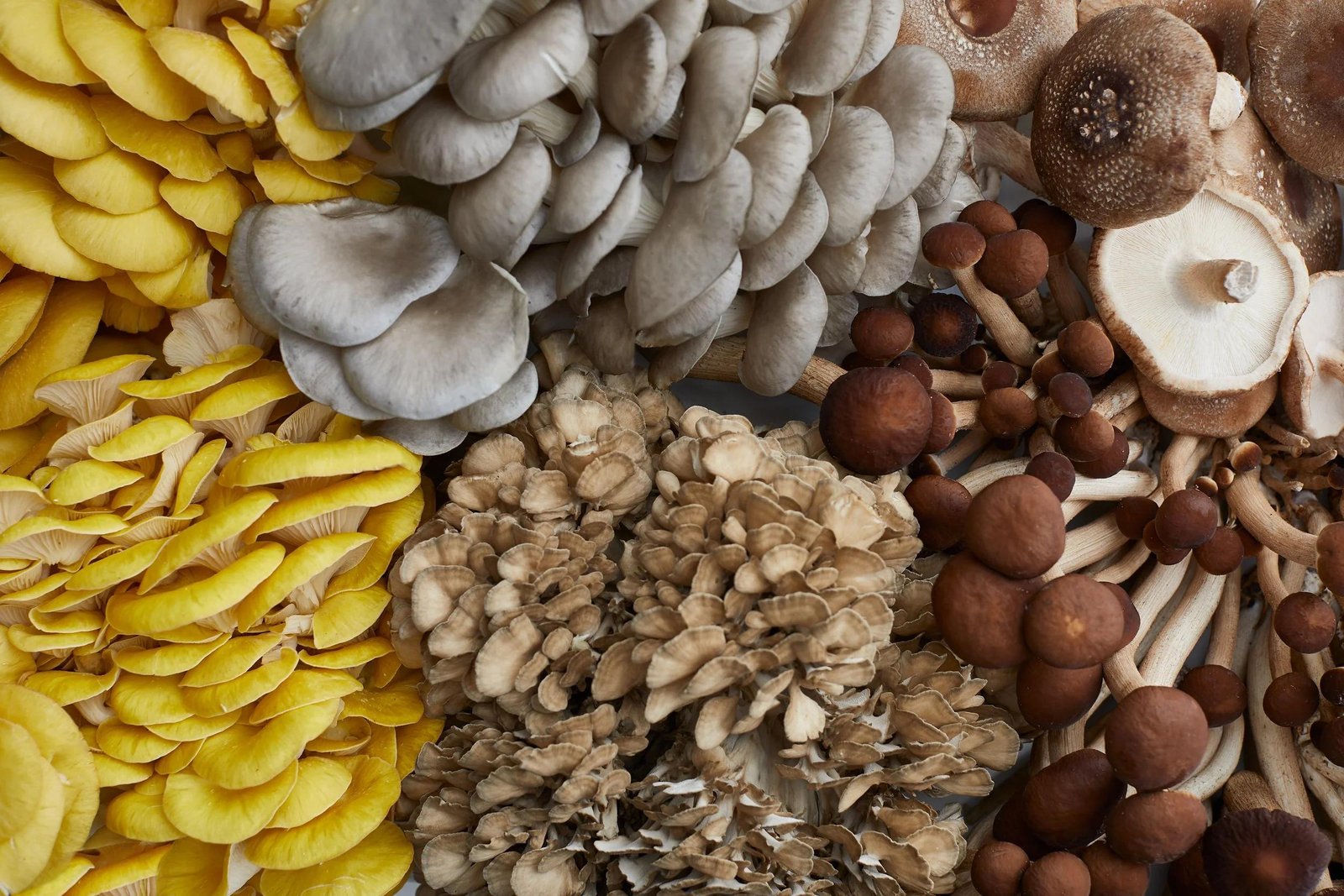
Fresh mushrooms are a versatile ingredient enjoyed in kitchens around the world. From familiar button mushrooms and cremini to flavourful shiitake, oyster, porcini and maitake varieties, mushrooms bring distinctive textures, aromas and tastes to everyday meals.
Whether you are preparing a quick breakfast, making a comforting soup, creating a pasta dish or experimenting with plant-based recipes, fresh mushrooms can add depth and variety to your cooking.
However, getting the best experience from mushrooms starts before they reach your plate. Knowing how to select fresh mushrooms, store them correctly, clean them and prepare them using suitable cooking methods can make a significant difference.
This guide explains everything you need to know about buying, storing and cooking fresh mushrooms, including popular varieties, practical preparation tips and easy recipe ideas.
1. What Are Fresh Mushrooms?
Fresh mushrooms are edible fungi harvested for culinary use and sold without being dried or otherwise preserved.
Unlike dried mushrooms, which have had most of their moisture removed, fresh mushrooms retain their natural water content. This gives them a tender texture and makes them suitable for a wide range of cooking methods.
Mushrooms are not vegetables in the botanical sense. They belong to the fungi kingdom and have their own distinctive characteristics.
Different varieties offer different flavours and textures. Some have mild, delicate tastes, while others provide earthy, nutty or savoury notes.
Fresh mushrooms are commonly used in:
Soups and broths
Pasta and noodle dishes
Stir-fries
Salads
Rice dishes and risottos
Omelettes and breakfast meals
Pizza and sandwiches
Sauces and side dishes
Vegetarian and plant-based recipes
Their versatility makes them a useful ingredient for both everyday home cooking and more elaborate meals.
2. Popular Types of Fresh Mushrooms
There are many edible mushroom varieties available, each with its own appearance, texture and culinary uses.
Understanding the differences can help you choose the right mushrooms for your recipes.
Fresh Button Mushrooms
Button mushrooms are among the most familiar varieties sold in grocery stores. They are usually small, round and pale in colour, with a mild flavour.
Their relatively delicate taste makes them easy to combine with other ingredients.
Best uses:
Breakfast dishes
Omelettes
Soups
Pizza toppings
Pasta sauces
Salads when properly prepared
Fresh Cremini Mushrooms
Cremini mushrooms are similar in shape to button mushrooms but are generally darker and have a deeper flavour.
They are often used in recipes that benefit from a more pronounced mushroom taste.
Best uses:
Mushroom gravy
Risotto
Roasted vegetable dishes
Pasta
Stews
Sautéed mushroom sides
Fresh Portobello Mushrooms
Portobello mushrooms are large, mature mushrooms with broad caps and a substantial texture.
Their size makes them suitable for recipes where mushrooms are intended to be a main ingredient rather than a small addition.
Best uses:
Grilled mushroom dishes
Stuffed mushrooms
Sandwiches
Burgers
Roasted vegetable platters
Fresh Shiitake Mushrooms
Shiitake mushrooms are popular in many Asian cuisines. They have a rich, savoury flavour and a distinctive texture.
They can be incorporated into both traditional and modern recipes.
Best uses:
Noodle soups
Stir-fries
Rice dishes
Broths
Sauces
Vegetable combinations
Fresh Oyster Mushrooms
Oyster mushrooms have soft, delicate caps and a naturally layered appearance. Their texture makes them suitable for quick cooking.
They can become tender and flavourful when sautéed or roasted.
Best uses:
Stir-fries
Pasta
Soups
Rice dishes
Pan-fried mushroom recipes
Vegetable side dishes
Fresh Enoki Mushrooms
Enoki mushrooms are recognised by their long, thin stems and small caps. They are often used in Asian soups and hot-pot dishes.
Their delicate structure makes them particularly suitable for recipes that require relatively short cooking times.
Best uses:
Noodle soups
Hot pots
Stir-fries
Broths
Vegetable dishes
Fresh Chanterelle Mushrooms
Chanterelles are valued for their distinctive appearance, delicate texture and fruity, earthy flavour.
They are often featured in seasonal cooking and restaurant-style dishes.
Best uses:
Creamy sauces
Pasta
Risotto
Sautéed mushroom dishes
Roasted vegetables
Fresh Porcini Mushrooms
Porcini mushrooms are appreciated for their rich, earthy flavour and firm texture.
They are especially popular in European-style cooking and can add depth to sauces, pasta and rice dishes.
Best uses:
Risotto
Pasta sauces
Soups
Mushroom stews
Sautéed dishes
Fresh Maitake Mushrooms
Also known as hen of the woods, maitake mushrooms grow in distinctive clusters with overlapping fronds.
They have a rich, savoury taste and can develop a pleasant texture when roasted or pan-fried.
Best uses:
Roasted mushroom dishes
Stir-fries
Pasta
Rice bowls
Vegetable sides
Fresh Chestnut Mushrooms
Chestnut mushrooms have brown caps and a flavour that is often described as deeper than that of white button mushrooms.
They are a useful everyday ingredient for a variety of recipes.
Best uses:
Sauces
Soups
Pasta
Casseroles
Sautéed dishes
3. How to Choose Fresh Mushrooms When Buying
Selecting good-quality mushrooms is an important part of preparing delicious meals.
Although the appearance varies between varieties, there are several general things to consider when shopping.
Look for a Fresh Appearance
Choose mushrooms that look fresh and appropriate for their variety.
For example, button mushrooms should generally have firm caps, while oyster mushrooms naturally have a softer, layered appearance.
Avoid products with obvious signs of spoilage.
Check the Texture
Fresh mushrooms should generally feel firm or appropriately springy for their variety.
Avoid mushrooms that are excessively slimy, mushy or breaking down.
Some varieties are naturally more delicate than others, so consider their normal texture when assessing quality.
Examine the Colour
Check that the mushrooms have their expected natural colour.
Discolouration alone does not always mean that a mushroom is spoiled, but unusual dark patches combined with a bad smell or deteriorating texture may indicate that it should not be used.
Check the Smell
Fresh edible mushrooms generally have a mild, earthy aroma.
Avoid mushrooms with strong unpleasant, sour or rotten smells.
Inspect the Packaging
When purchasing packaged mushrooms, examine the container for excess moisture, damaged packaging or visible signs of deterioration.
Packaging should be suitable for the product and allow it to remain in good condition during storage and transport.
Buy from a Reliable Supplier
Purchase edible mushrooms from reputable food suppliers that can provide reliable product identification, appropriate handling and clear storage information.
This is especially important when buying less familiar varieties.
4. How to Store Fresh Mushrooms Properly
Fresh mushrooms contain a considerable amount of moisture, which means they can deteriorate if stored incorrectly.
Proper refrigeration and suitable packaging can help maintain their quality.
Store Mushrooms in the Refrigerator
Most fresh edible mushrooms should be refrigerated promptly after purchase.
A refrigerator temperature of approximately 4°C (40°F) or below is generally suitable for keeping perishable foods cold.
Avoid leaving fresh mushrooms at room temperature for extended periods.
Use Suitable Packaging
Paper bags or suitable breathable packaging can help manage excess moisture.
If mushrooms are supplied in packaging designed for refrigeration, follow the supplier’s storage instructions.
Avoid sealing damp mushrooms in an airtight container unless the packaging is specifically designed for that purpose.
Keep Them Dry Until Preparation
Excess moisture can encourage deterioration.
If possible, clean mushrooms shortly before cooking rather than washing them long before they will be used.
Avoid Crushing Them
Mushrooms can bruise or become damaged when placed under heavy items.
Store them where they will not be squeezed or crushed.
Can Fresh Mushrooms Be Frozen?
Some mushrooms can be frozen, but preparation is important.
For many varieties, cleaning and cooking them before freezing helps maintain a more suitable texture after thawing.
A simple approach is to:
Select fresh mushrooms in good condition.
Clean them appropriately.
Slice larger mushrooms if needed.
Cook them using a suitable method.
Allow them to cool.
Package them in freezer-safe containers.
Label the package with the storage date.
Texture may change after freezing, so previously frozen mushrooms are often better suited to cooked recipes than fresh salads.
How Long Do Fresh Mushrooms Last?
Storage life varies according to the mushroom variety, freshness at purchase, packaging and refrigerator conditions.
Always follow the supplier’s use-by guidance where available. Inspect mushrooms before use and discard any that show signs of spoilage.
Do not rely on a fixed number of days as a guarantee that mushrooms remain safe to eat.
5. Should You Wash Fresh Mushrooms Before Cooking?
Fresh mushrooms should be cleaned before preparation, but the best method depends on their condition and variety.
Mushrooms can absorb or retain moisture, so excessive soaking is generally unnecessary.
Method 1: Wipe with a Damp Cloth
For mushrooms with relatively clean surfaces, use a clean damp cloth or soft paper towel to remove visible dirt.
This method is useful for varieties such as button and cremini mushrooms.
Method 2: Use a Soft Brush
A soft food-safe brush can help remove soil from delicate or irregular surfaces.
This is especially useful for mushrooms with folds, clusters or textured caps.
Method 3: Rinse Briefly When Necessary
If mushrooms have more visible dirt, a quick rinse under clean running water may be appropriate.
Drain them well and dry gently before cooking.
Avoid soaking mushrooms for long periods.
Should You Remove Mushroom Stems?
Not always.
Some mushroom stems are tender and suitable for cooking, while others may be tough or woody.
For example, shiitake stems are often removed because they can be tougher than the caps. Oyster mushroom stems are generally usable when tender.
The decision depends on the variety and recipe.
6. Best Ways to Cook Fresh Mushrooms
Fresh mushrooms can be prepared using several cooking methods. Each method produces a different texture and flavour.
Sautéing
Sautéing is one of the simplest ways to prepare fresh mushrooms.
Basic method:
Clean and slice the mushrooms.
Heat a frying pan over medium to medium-high heat.
Add a small amount of cooking oil or butter.
Add the mushrooms in a suitable quantity.
Cook, stirring occasionally, until they release moisture and become tender.
Continue cooking until excess moisture evaporates and the mushrooms develop colour.
Season according to taste.
Sautéed mushrooms can be served with rice, pasta, bread, vegetables or grilled foods.
Roasting
Roasting gives mushrooms a deeper flavour and can create lightly browned edges.
Basic method:
Preheat the oven to approximately 200°C (400°F).
Clean and prepare the mushrooms.
Cut larger mushrooms into suitable pieces.
Toss with a little oil and seasoning.
Spread them in a single layer on a baking tray.
Roast until tender and browned, adjusting the time to the mushroom size and variety.
Roasted mushrooms work well as side dishes or additions to grain bowls and salads.
Grilling
Large mushrooms, especially portobello mushrooms, are suitable for grilling.
Brush them lightly with oil and season as desired. Cook until tender and thoroughly heated.
Grilled mushrooms can be served in sandwiches, burgers or alongside other grilled foods.
Stir-Frying
Stir-frying is a convenient way to combine mushrooms with vegetables and other ingredients.
Use a hot pan or wok, add the ingredients in stages and cook until the mushrooms are tender.
Oyster, shiitake, button and enoki mushrooms can all be used in suitable stir-fry recipes.
Adding Mushrooms to Soups
Mushrooms add savoury depth to soups and broths.
They can be sautéed before being added to the cooking liquid or cooked directly in the soup, depending on the recipe.
Common choices include button, cremini, shiitake and oyster mushrooms.
7. Easy Fresh Mushroom Recipes to Try at Home
Here are some simple ideas for incorporating fresh mushrooms into everyday meals.
Garlic Butter Mushrooms
Ingredients:
250g fresh mushrooms
2 tablespoons butter
2 garlic cloves, minced
Salt and black pepper
Fresh parsley, optional
Preparation:
Clean and prepare the mushrooms.
Melt the butter in a frying pan.
Add the garlic and cook briefly.
Add the mushrooms.
Cook until tender and browned.
Season with salt and pepper.
Finish with chopped parsley if desired.
Serve as a side dish or add to toast, rice or pasta.
Creamy Mushroom Pasta
Ingredients:
250g fresh mushrooms
200g pasta
1 tablespoon cooking oil
2 garlic cloves
150ml cooking cream
Grated cheese, optional
Salt and pepper
Preparation:
Cook the pasta according to the package instructions.
Slice and clean the mushrooms.
Heat oil in a pan.
Add the mushrooms and cook until tender.
Add garlic and stir briefly.
Pour in the cooking cream.
Season to taste.
Combine the sauce with the cooked pasta.
Add grated cheese if desired.
Fresh Mushroom and Vegetable Stir-Fry
Ingredients:
200g fresh oyster or button mushrooms
1 bell pepper
1 carrot
1 small onion
2 tablespoons cooking oil
Soy sauce, according to taste
Garlic and ginger, optional
Preparation:
Clean and slice the mushrooms.
Prepare the vegetables.
Heat oil in a wok or frying pan.
Add the onion, garlic and ginger.
Add the carrots and bell pepper.
Add the mushrooms.
Stir-fry until the ingredients are cooked and tender.
Add soy sauce and mix well.
Serve with rice or noodles.
Mushroom and Vegetable Soup
Ingredients:
250g fresh mushrooms
1 onion
1 carrot
2 garlic cloves
750ml vegetable stock
Cooking oil
Salt and pepper
Preparation:
Clean and slice the mushrooms.
Heat a little oil in a saucepan.
Add the onion and garlic.
Add the carrot and mushrooms.
Cook briefly while stirring.
Pour in the vegetable stock.
Simmer until the vegetables are tender.
Season to taste and serve warm.
8. How to Pair Fresh Mushrooms with Other Ingredients
Mushrooms work well with many common ingredients.
The right combination can bring out their natural flavour and improve the overall dish.
Garlic and Herbs
Garlic, thyme, parsley and rosemary are popular additions to mushroom recipes.
They complement the earthy flavour of many mushroom varieties.
Butter and Olive Oil
Butter gives mushrooms a rich taste, while olive oil is useful for sautéing and roasting.
Both can be used depending on the recipe.
Onions and Peppers
Onions and peppers add sweetness, colour and texture to mushroom stir-fries, rice dishes and sauces.
Cheese and Cream
Cream and cheese can create rich sauces that pair well with button, cremini, porcini and other flavourful varieties.
Rice and Pasta
Mushrooms are easy to incorporate into rice dishes, risottos, noodles and pasta.
Their savoury taste makes them a versatile addition to these meals.
9. Fresh Mushrooms vs Dried Mushrooms
Fresh and dried mushrooms both have important culinary uses, but they are not interchangeable in every recipe.
| Feature | Fresh Mushrooms | Dried Mushrooms |
|---|---|---|
| Moisture | Naturally high | Most moisture removed |
| Texture | Tender or firm, depending on variety | Dry before rehydration |
| Preparation | Clean and cook | Often rehydrate first |
| Storage | Refrigerate | Store dry according to packaging |
| Flavour | Usually fresh and delicate | Often concentrated |
| Common uses | Stir-fries, salads, roasting and sautéing | Soups, broths, sauces and stews |
Fresh mushrooms are useful when you want their natural texture and moisture.
Dried mushrooms are convenient for longer-term pantry storage when properly packaged and stored. They can also contribute concentrated flavour to cooked dishes.
10. Common Mistakes to Avoid When Preparing Mushrooms
Even simple mushroom recipes can be affected by poor preparation.
Here are some common mistakes to avoid.
Overcrowding the Pan
Adding too many mushrooms at once can cause them to release moisture and steam instead of browning.
Cook in batches when necessary.
Cooking at Too Low a Temperature
A suitably heated pan helps mushrooms cook and develop colour.
Use a moderate to moderately high temperature appropriate for the recipe.
Soaking Mushrooms for Too Long
Extended soaking can make mushrooms unnecessarily wet.
Clean them using a damp cloth, brush or brief rinse as appropriate.
Storing Mushrooms in Warm Conditions
Fresh mushrooms are perishable. Refrigerate them promptly and follow the supplier’s storage instructions.
Using Spoiled Mushrooms
Never attempt to rescue mushrooms that are clearly spoiled by cooking them.
Discard mushrooms with obvious slime, significant deterioration, mould or an unpleasant rotten smell.
Eating Unidentified Wild Mushrooms
Never eat wild mushrooms unless they have been positively identified as edible by a qualified expert.
Some poisonous mushrooms resemble edible varieties, and cooking does not reliably make poisonous mushrooms safe.
11. Are Fresh Mushrooms Suitable for Everyday Cooking?
Fresh edible mushrooms are a practical ingredient for a wide range of meals.
They can be prepared as a main ingredient, added to sauces or used to complement vegetables, grains and other foods.
Their culinary versatility makes them suitable for:
Quick weekday meals
Family dinners
Vegetarian dishes
Plant-based cooking
Restaurant-style recipes
Seasonal meals
Soups and comforting dishes
Different varieties offer different culinary experiences, so experimenting with more than one type can help you discover new flavours and textures.
Mushrooms are also used in a variety of cuisines, including European, African and Asian cooking.
12. Frequently Asked Questions About Fresh Mushrooms
How do I know if fresh mushrooms are still good?
Look for mushrooms with an appropriate appearance and texture for their variety. Avoid those that are slimy, mushy, mouldy or have an unpleasant smell. Follow the product’s use-by instructions.
Should fresh mushrooms be refrigerated?
Yes. Most fresh edible mushrooms should be refrigerated promptly and kept cold until preparation.
Can I eat fresh mushrooms raw?
Some commercially cultivated edible mushrooms are commonly served raw in suitable dishes. However, raw mushrooms are not appropriate for every variety or individual. Clean them properly and follow food-safety guidance. Cooking is generally the safer choice for many mushroom dishes.
Can I freeze fresh mushrooms?
Yes, many varieties can be frozen after suitable preparation. Cooking them before freezing often produces a better texture after thawing.
Which mushrooms are best for pasta?
Button, cremini, shiitake, oyster and porcini mushrooms are popular choices for pasta dishes.
Which mushrooms are best for stir-frying?
Oyster, shiitake, button and enoki mushrooms can all work well in stir-fries, depending on the recipe.
Do all mushroom varieties taste the same?
No. Mushroom varieties have different flavours, aromas and textures. Some are mild, while others have more pronounced earthy or savoury characteristics.
Can I use fresh and dried mushrooms in the same recipe?
Yes. Some recipes combine fresh and dried mushrooms to create different textures and layers of flavour. Make sure dried mushrooms are prepared according to their packaging instructions.
How should I clean mushrooms with visible soil?
Use a soft brush, damp cloth or brief rinse under clean running water. Dry them gently before cooking.
Are wild mushrooms safe to eat?
Only when their identity and edibility have been reliably established by a qualified expert. Never eat unidentified wild mushrooms.
13. Find Fresh Edible Mushrooms at MushroomsRevival
Choosing the right mushroom variety can make everyday cooking more interesting.
At MushroomsRevival, our fresh mushroom collection is designed to help customers explore different edible varieties and find ingredients suited to their favourite recipes.
Whether you are preparing a simple mushroom breakfast, making a creamy pasta sauce, cooking a vegetable stir-fry or experimenting with new dishes, exploring different mushroom varieties can open up more possibilities in the kitchen.
Browse our Fresh Edible Mushrooms collection to discover available varieties, product details and pack options.
Choose the mushrooms that suit your recipes, check the storage guidance and enjoy exploring new ways to cook with fresh edible mushrooms.
Explore Fresh Edible Mushrooms at MushroomsRevival today.
Final Thoughts
Fresh mushrooms are versatile ingredients that can be used in countless recipes. Learning how to choose good-quality mushrooms, store them properly, clean them carefully and cook them using suitable methods helps you get more from every purchase.
From everyday button mushrooms to distinctive oyster, shiitake, porcini and maitake varieties, there is a mushroom for many different cooking styles.
Start with familiar varieties, experiment with new flavours and discover how fresh mushrooms can add variety to your meals.